Why this guide?
L-l-l-outdoor solar lighting is experiencing a real boom in Europe In recent years. Powered by the search for more environmentally friendly solutions, rising energy prices and increasing desire for autonomy, it is a serious and sustainable alternative to traditional installations.
Easy to install, without extra cost of use, and more aesthetic than ever, solar lighting adds the right points: it reduces your bill, limit your environmental impact and offers you full freedom of installationeven in the most remote areas of your garden.
But how to choose? L-offer is vast, many promises, and not all products are worth it. To avoid disappointments (and help you find the lamp that will suit you), Here is a comprehensive guide, based on our experience and the feedback from our customers.
Solar is the future of outdoor lighting, but only if it is well designed. At Lumihome, we have been working for over 20 years on a simple equation: offering reliable, powerful and beautiful products... without compromising on sustainability
— Christophe Coelho, founder of Lumihome
What you need to know before choosing a solar lamp
A quality solar lamp is based on three key elements:
-
The photovoltaic panel He's the one who captures solar energy. There are different types of panels The panel's orientation and inclination also have a major impact on its performance. A sun-facing panel will obviously be much more effective · Lumihome
-
The battery : it stores energy captured during the day to use at night. lithium batteries (more stable, more durable and lighter), while others opt for NiMH or NiCd batteries. A good range depends on both battery capacity (expressed in mAh or Wh) and LED consumption.
-
The LED module It produces light. Not all LEDs are worth it: some light up weakly with a blafarde light, others offer powerful, homogeneous and comfortable lighting for the eyes. We recommend you to look at the number of lumens (light power) and the color temperature (expressed in kelvins). At Lumihome, we also work on the quality of light. It is this detail that allows you to have a beautiful bright atmosphere in your garden.
Good to know: a powerful solar lamp, it's not just a lamp with a big LED. It's a lamp with an intelligent balance between a good sensor, a well-sized battery, and an effective LED.
Also think about seeing these other components that are important:
-
The twilight sensor : it allows the lamp to automatically light up at nightfall.
-
The motion sensor It allows you to turn on the lamp only in case of passage, extending the battery life. At Lumihome, all our solar lights have this essential functionality!
-
The electronic circuit It is invisible, but crucial. It is it that manages the charge, the activation of the LED, the duration of the lighting, etc.
It's the interaction of all these components that will make your solar lamp work well... or end up abandoned in a closet. And at Lumihome, we designed every lamp to avoid this scenario!
A point often forgotten, but essential: repairability. A solar battery is a consumable. Even the best end up stinging, with the first signs of fatigue as early as 18 months of use on average. If it is not removable, it means that you will have to throw the whole product. Not very eco-friendly, nor very smart economically. Fortunately, Lumihome products incorporate batteries removable and replaceable, to extend the life of each lamp and reduce unnecessary waste.
Should we still hesitate between solar and 230V? The game in plain light
There was a time when solar lighting was limited to small, weak and unreliable beacons. Today, things have changed very much. With progress on lithium batteries, high performance solar panels and high-efficiency LEDs, solar can now compete – and even surpass – the 230V in many cases.
But be careful: everything depends on the context. For one-time or seasonal use, for an area difficult to cable, or simply to avoid trenches in your garden, the solar is unbeatable. Conversely, for intensive lighting, commercial or professional, the 230V keeps the advantage in power continuous.
Here is a clear comparison to help you decide:
| Criteria |
Solar lighting Lumihome |
Traditional 230V lighting |
| Installation |
Autonomous, wireless, easy to pose |
Electrical works often necessary |
| Cost to use |
0 € (functions with solar energy) |
Permanent electricity cost + installation costs |
| Maintenance |
Very low (panel cleaning, replaceable battery) |
Low to moderate (sometimes wiring problems, short circuit) |
| Reliability |
Excellent if product of quality, adapted autonomy |
Very stable |
| Ecology |
100% renewable, energy-neutral |
Energy |
| Aesthetics and flexibility |
Modern design, mobile, adaptable to all spaces |
Modern design but fixed solution |
| Adapted to remote areas |
Yes, totally autonomous |
No (needs power supply nearby) |
For those who want a good compromise between power and aesthetics, our range of outdoor solar lamps offers up to 3000 lumens of standalone lighting, with integrated twilight sensor.
What are your real needs?
Not all outdoor lighting projects are alike. And the first mistake is often to look for a "universal" model. It doesn't exist. The effectiveness of your solar installation will depend directly on your context: surface to be illuminated, orientation, frequency of use, aesthetics sought, but also climatic constraints, presence of children, animals or seasonality of use.
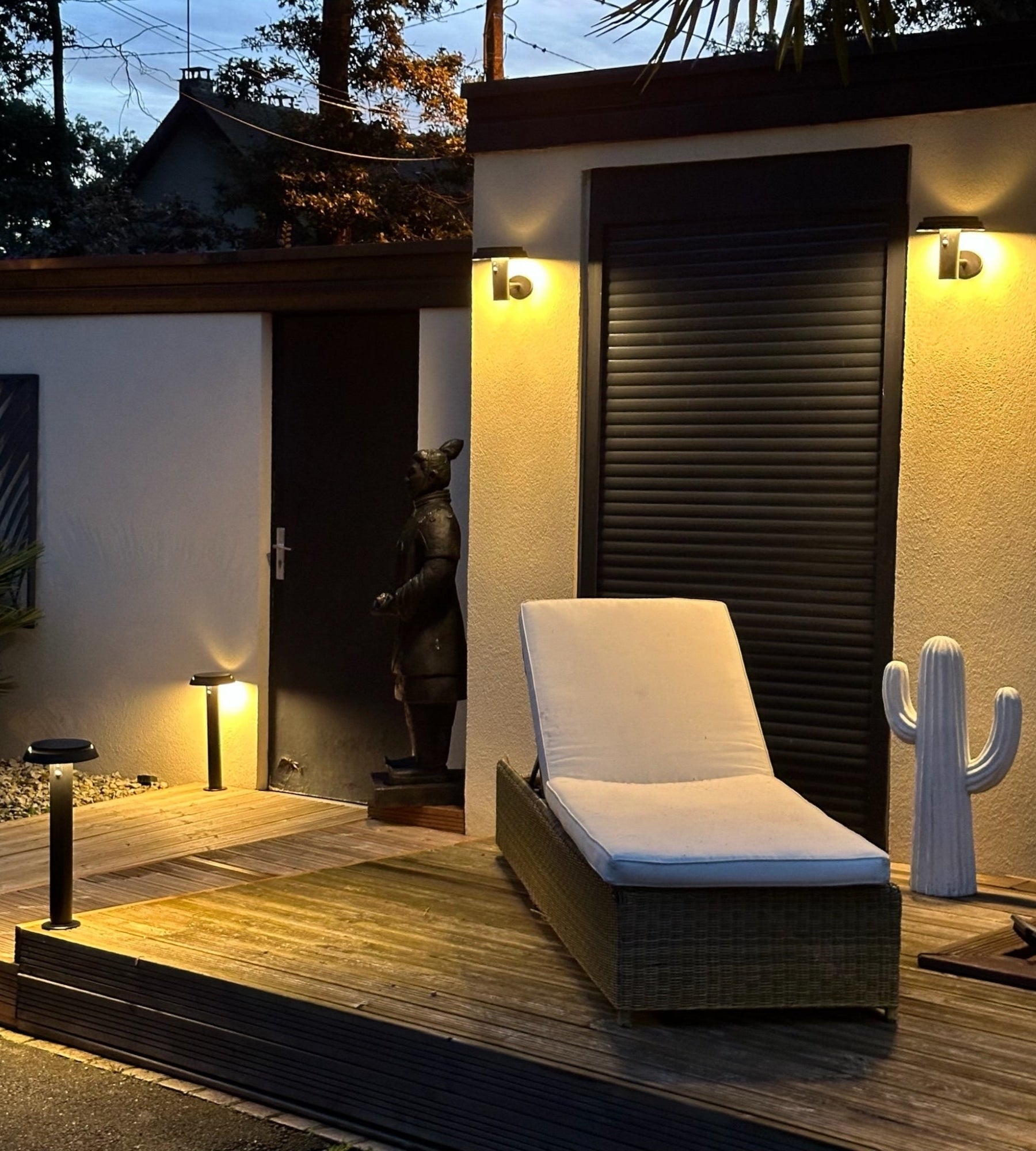
For example, a walkway in the sun with passage requires a terminal or a light with motion detector, while a flowery massif to highlight will prefer a recessed spot or a hot light flashlight.
In short, before comparing products, start by clarifying your needs. This will prevent you from investing in a lamp that is too weak... or too powerful for nothing.
And to explore the possibilities, discover our collection of solar wall appliqués or our design solar terminals.
Which type of solar lamp do you choose?
If you thought that a solar lamp was just a small case with an LED on a pole, you'll be surprised. Today there is a real variety of formats, each one thought for a specific use. Here's the overview, technical decryption (and a little complicit):
Solar flashlight
It is the easiest to install: a loose floor, a small effort and hop, it is planted. Perfect for marking a path, highlighting a garden alley or delimiting a massif. Technically, it usually offers a luminous intensity of 20 to 100 lumens, which is enough to spot its steps... but not to read a book. Autonomy: 6 to 10h, depending on the model. At Lumihome, the models to be stitched are equipped with monocrystalline panels to capture a max, even at times covered. - I'm sorry.
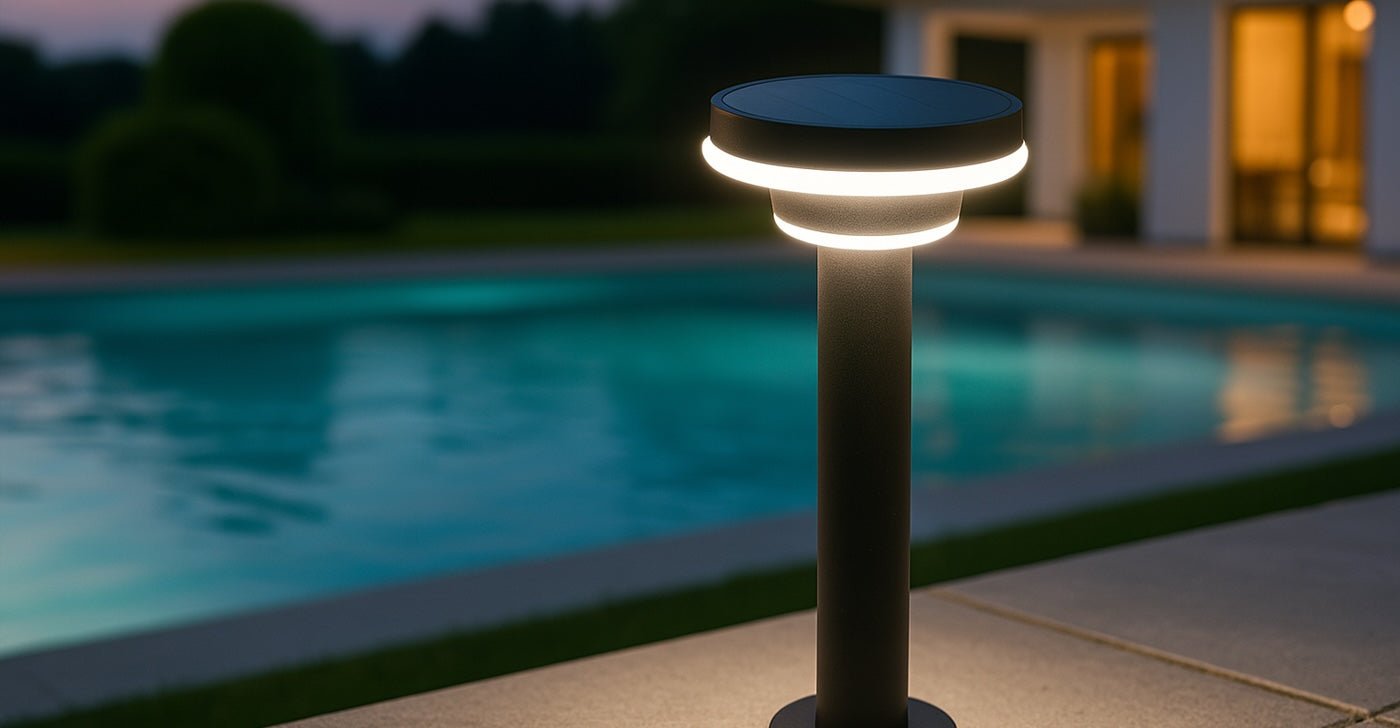
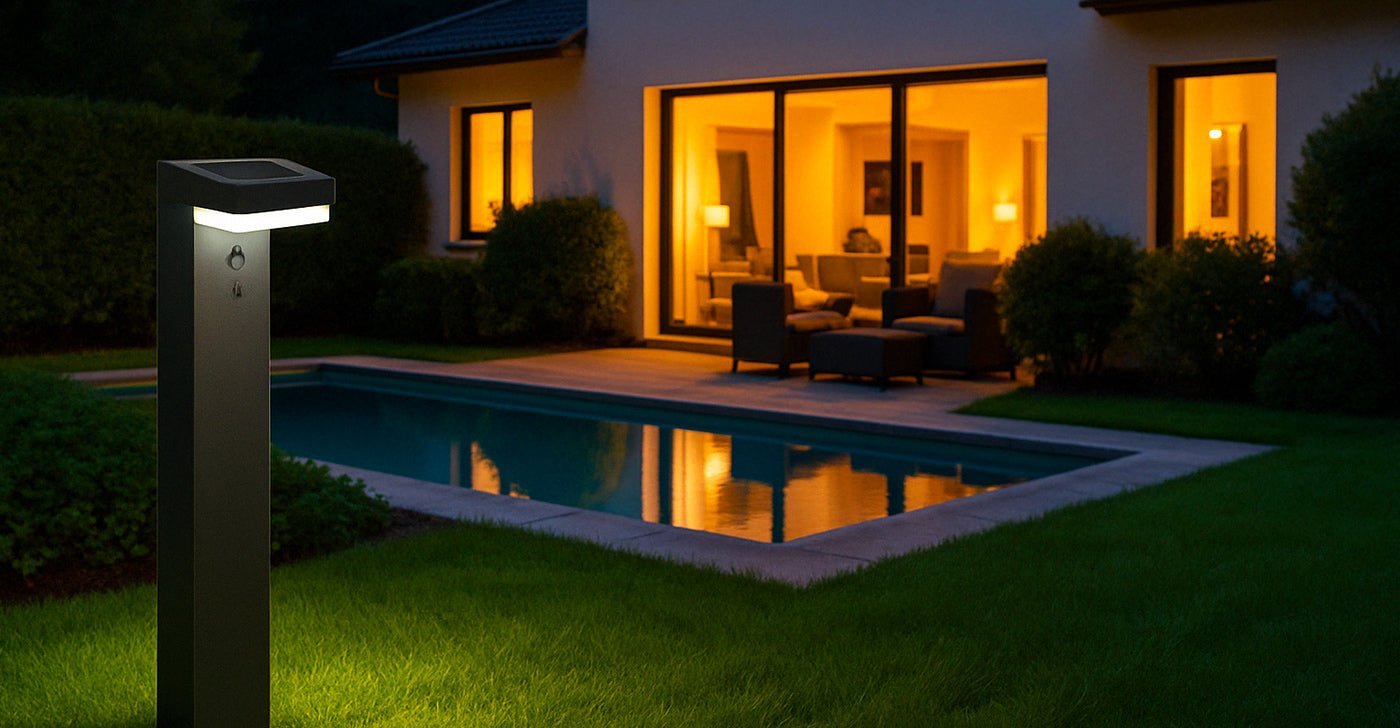
Solar Borne
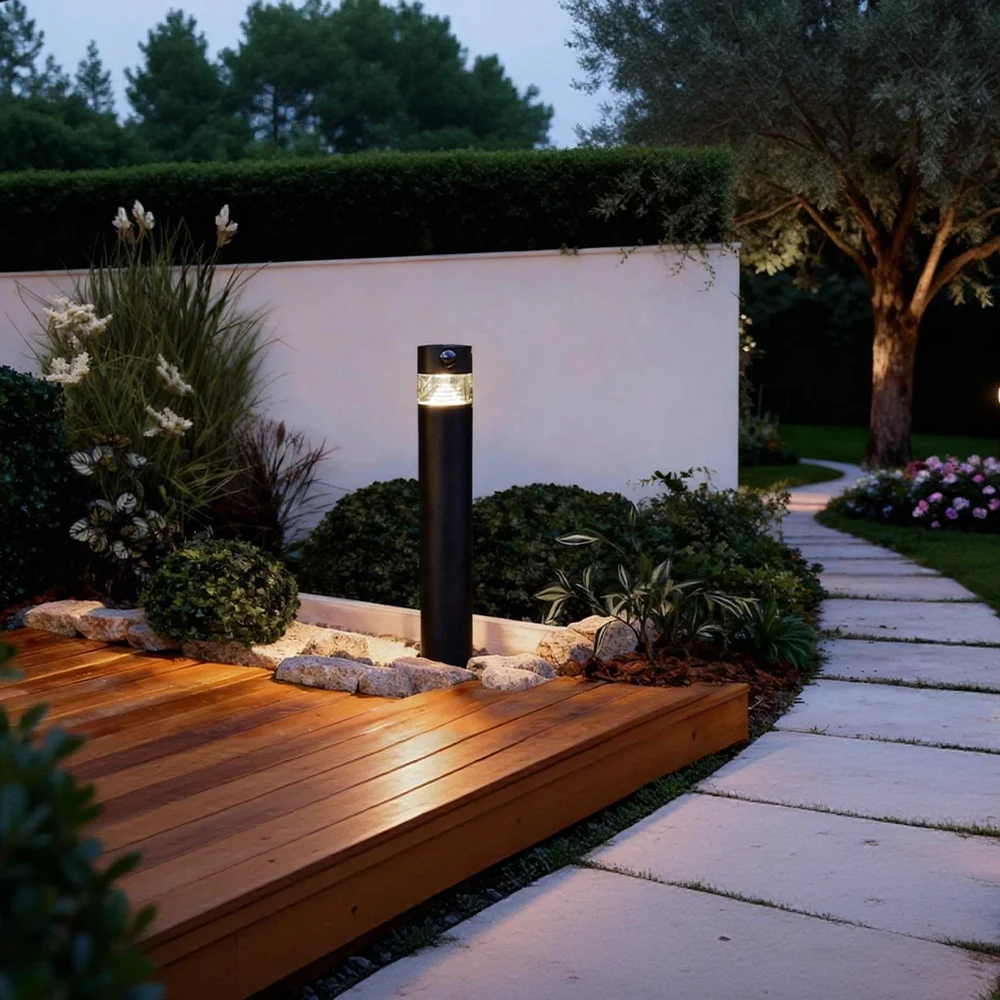
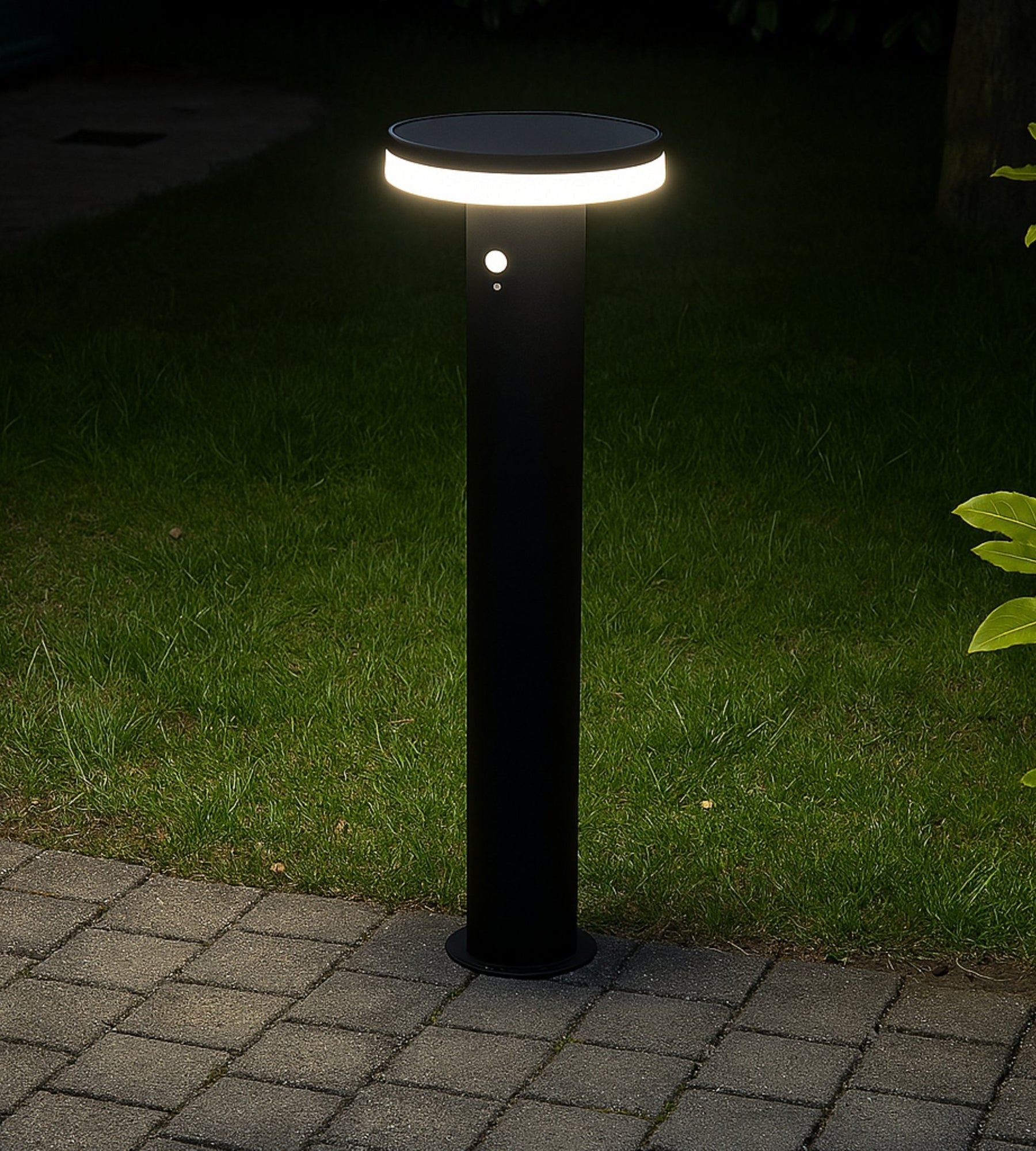
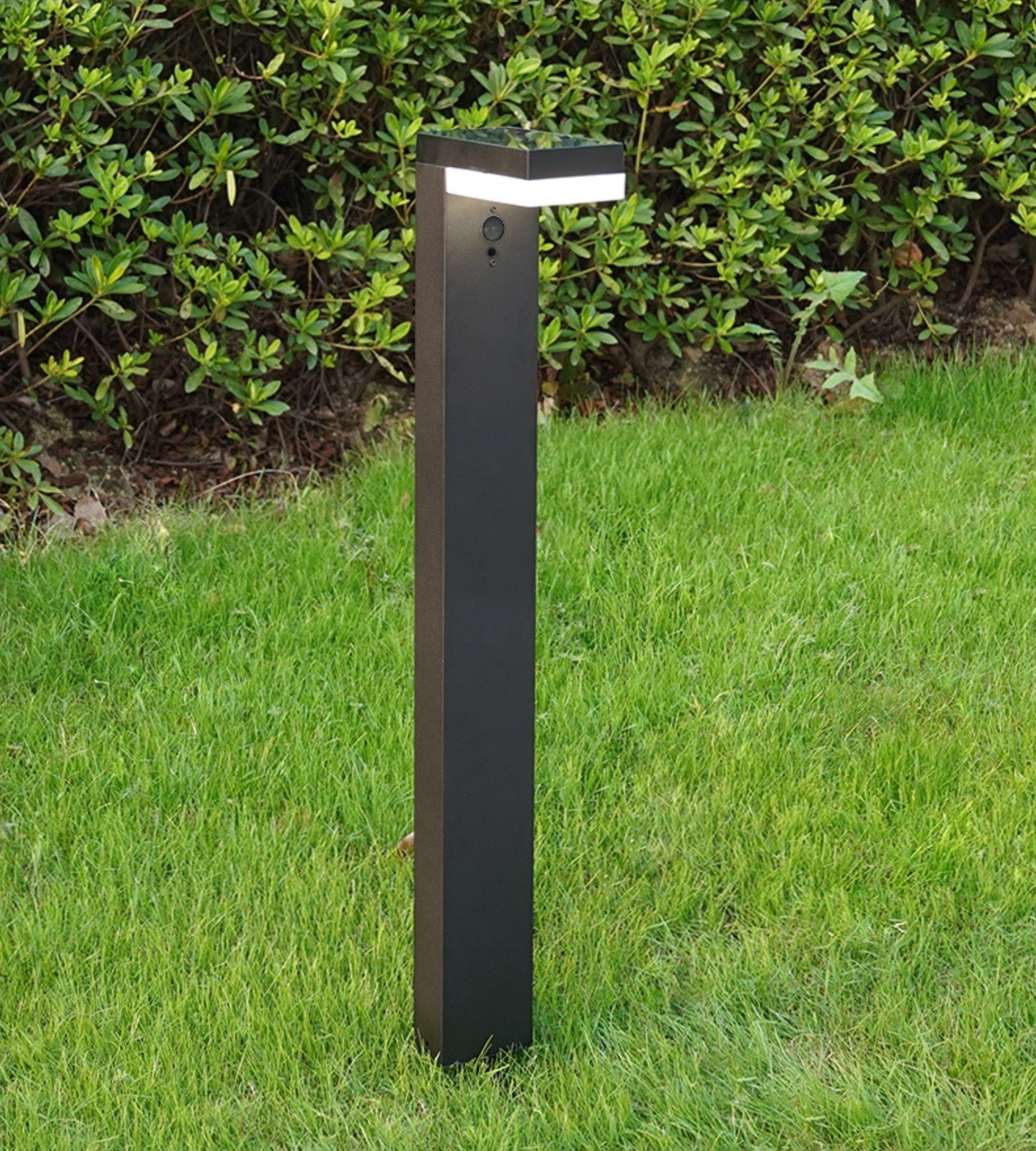
More robust, more visible and often more powerful (150 to 400 lumens), it is ideal for regular areas of passage. It ensures homogeneous lighting, often at 360°, and is available in various heights to better adapt to your layout. A good compromise between design and performance.
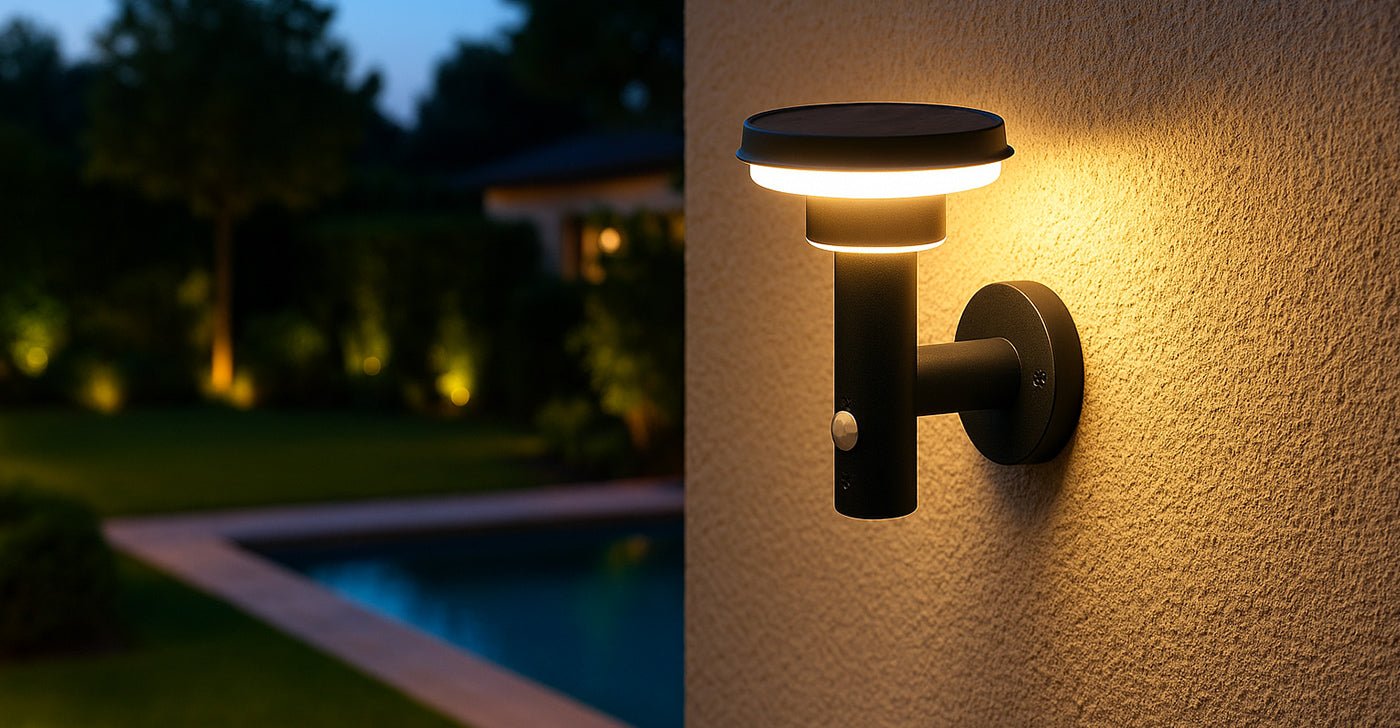
Solar wall lamp
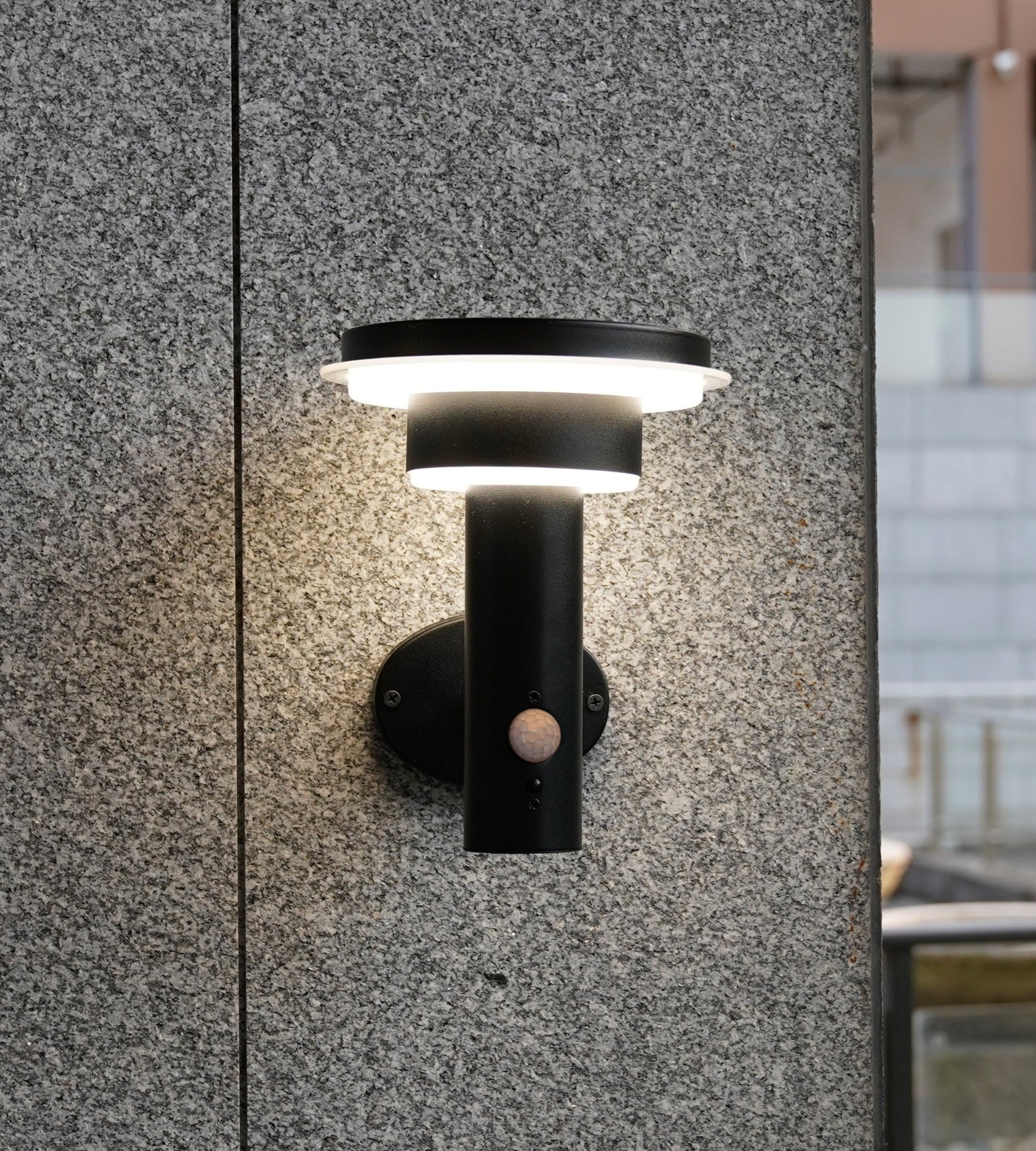
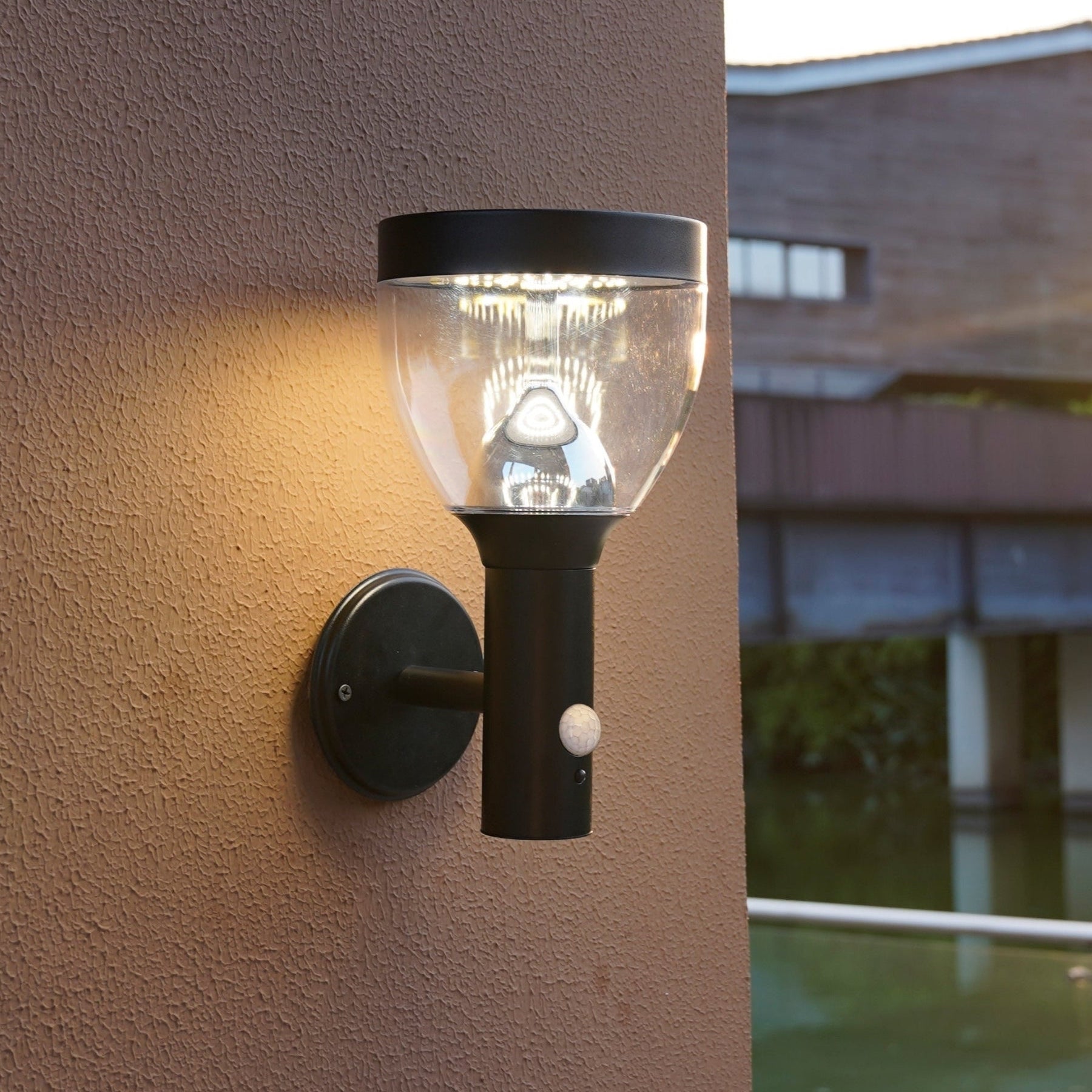
It is the preferred model of terraces and entrances to the house. Fixed on a wall, it precisely illuminates a defined area, often with a motion detector (PIR) to activate the LED on approach. Average power: 300 to 600 lumens, up to 1200 for boosted models. And good news: at Lumihome, the appliqués are designed with replaceable battery. When it is said that it changes everything...
Solar projector
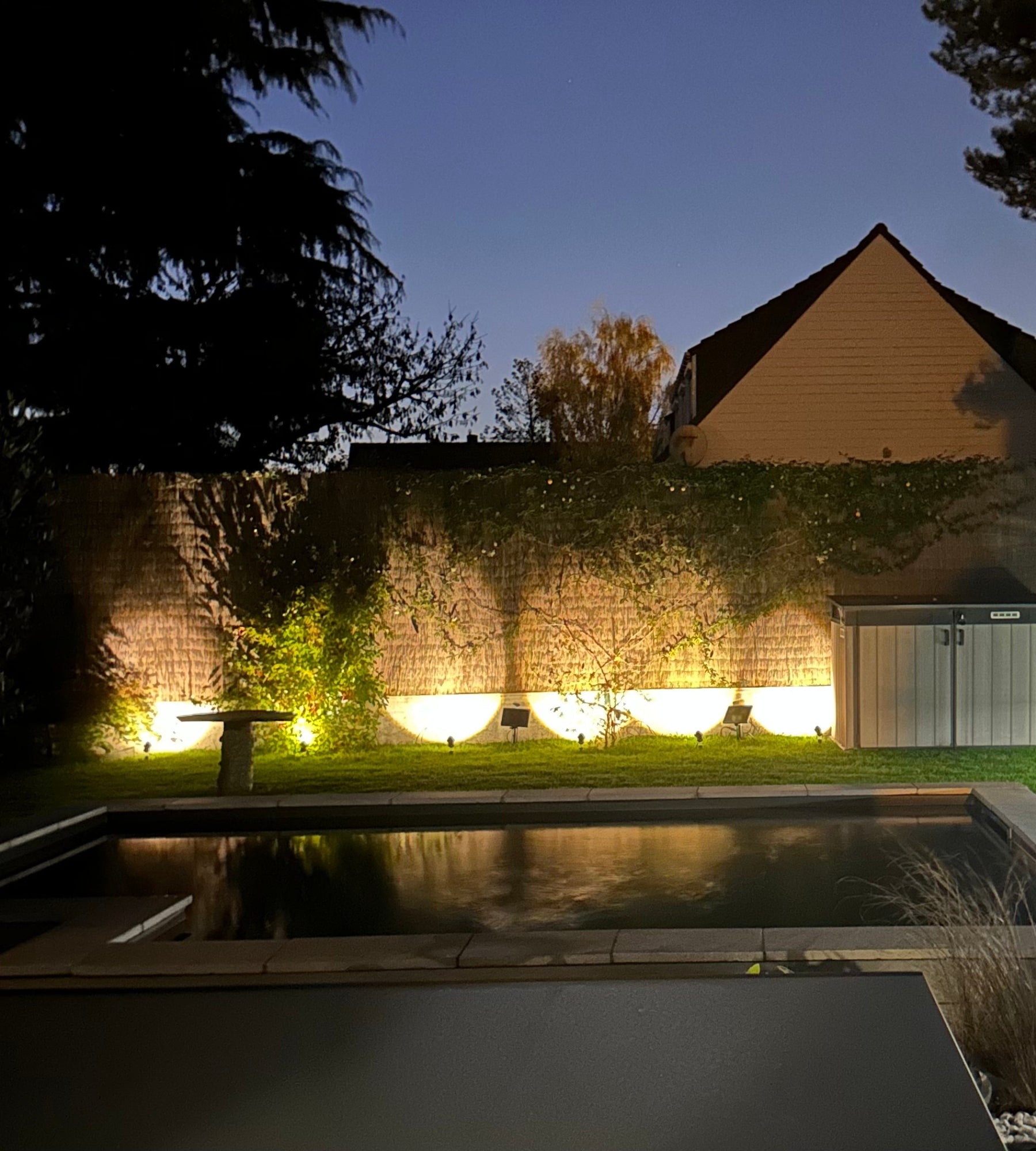
There we talk about power. 1000, 1500, even 2000 lumens depending on the versions. Ideal to secure a yard, garage or light a work area. The panel is often separated from the lamp, which allows it to position it where the sun really hits (and not where it looks pretty... yes, you see). Be careful to choose a model with a battery of great capacity, otherwise the LED won't hold the whole night.
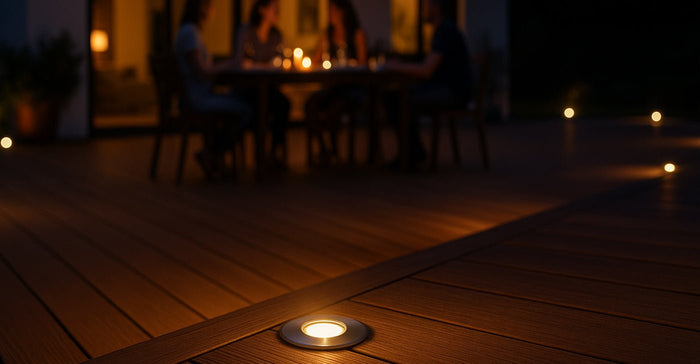
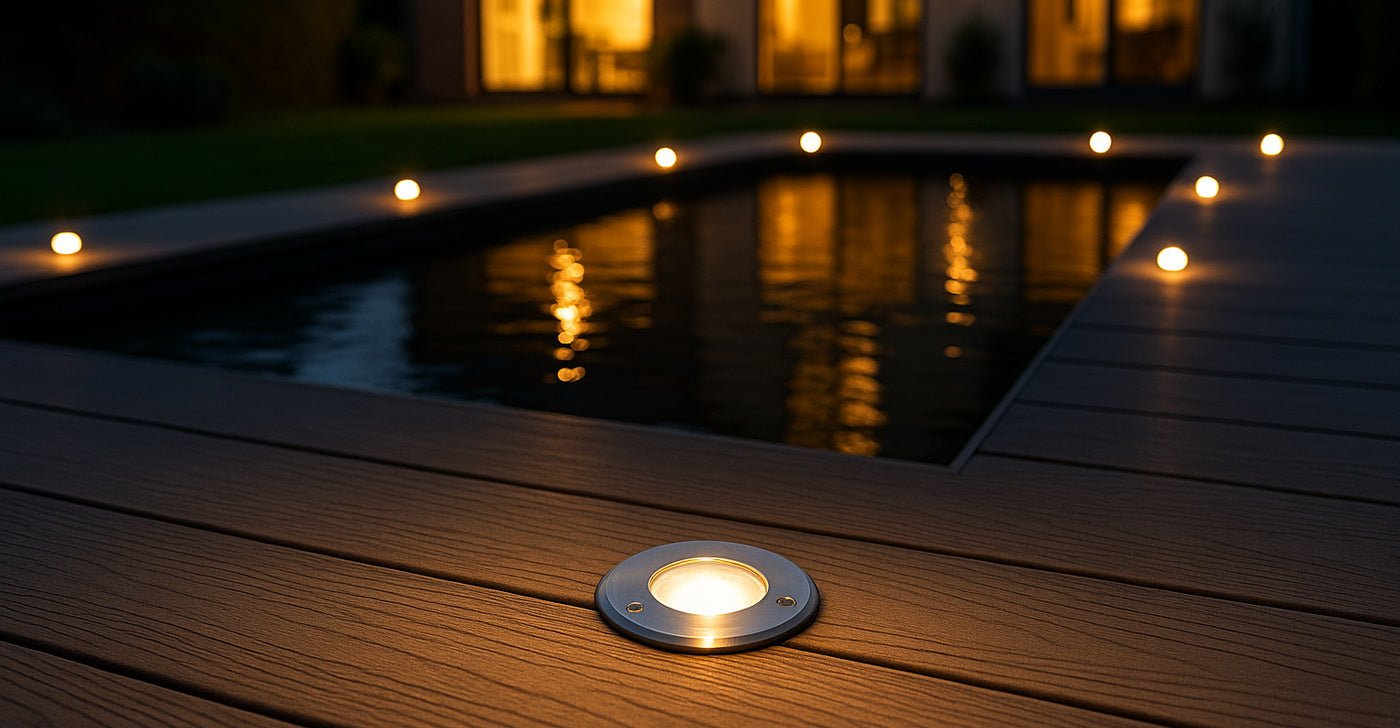
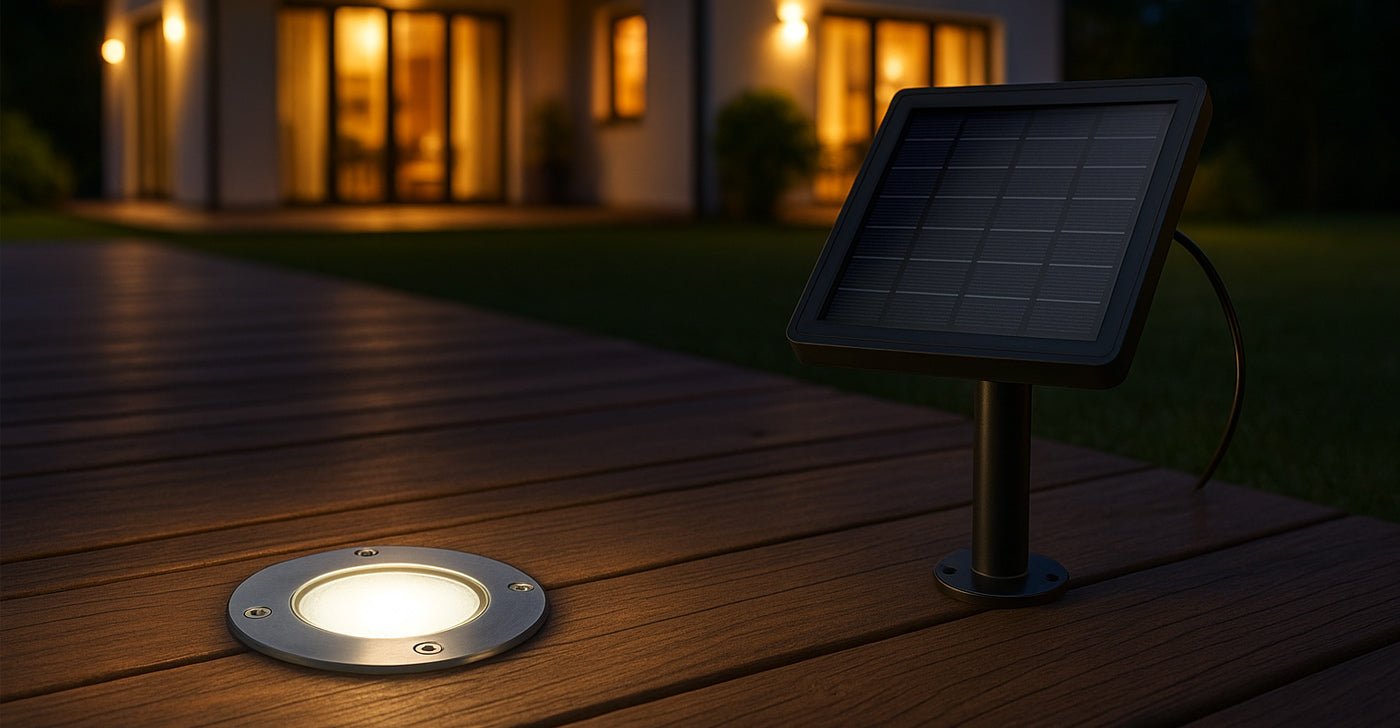
Solar built-in spot
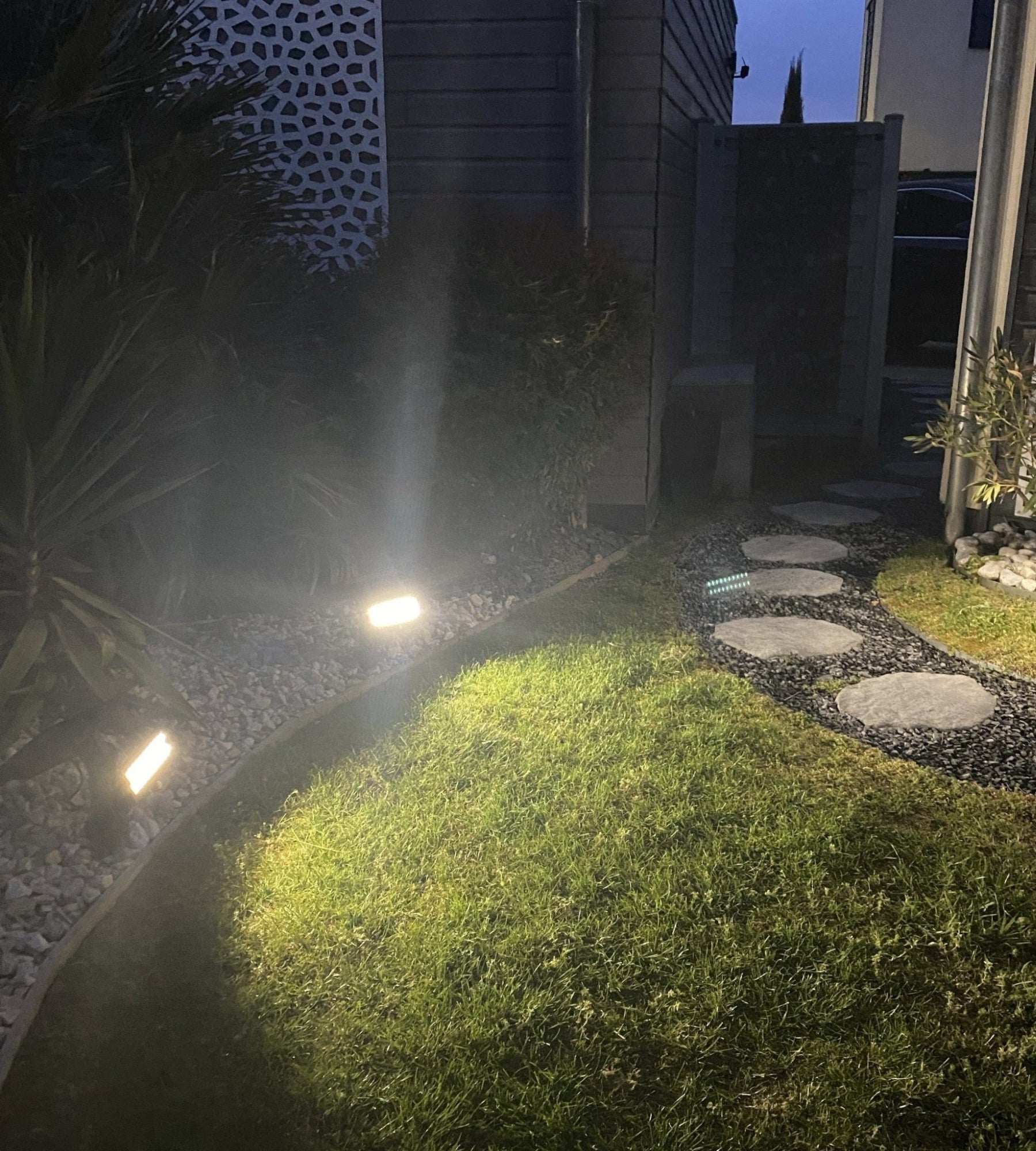
Discreet and elegant, the built-in solar spot It often illuminates from bottom to top, which creates interesting visual effects on walls or plants. Waterproofness: IP65 recommended. Be careful to check the depth of the underwater, and consider drainage if you place it in a wetland.
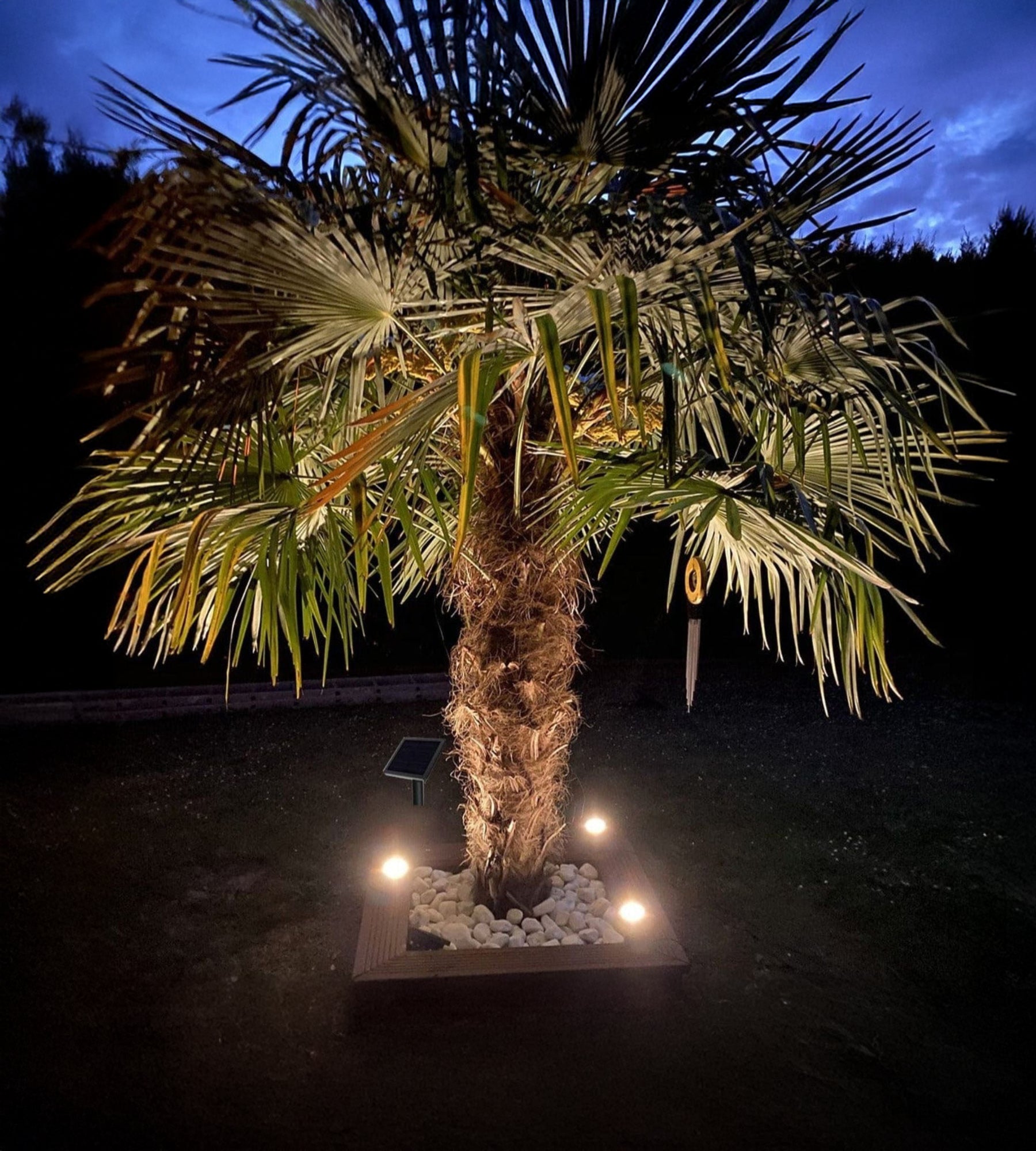
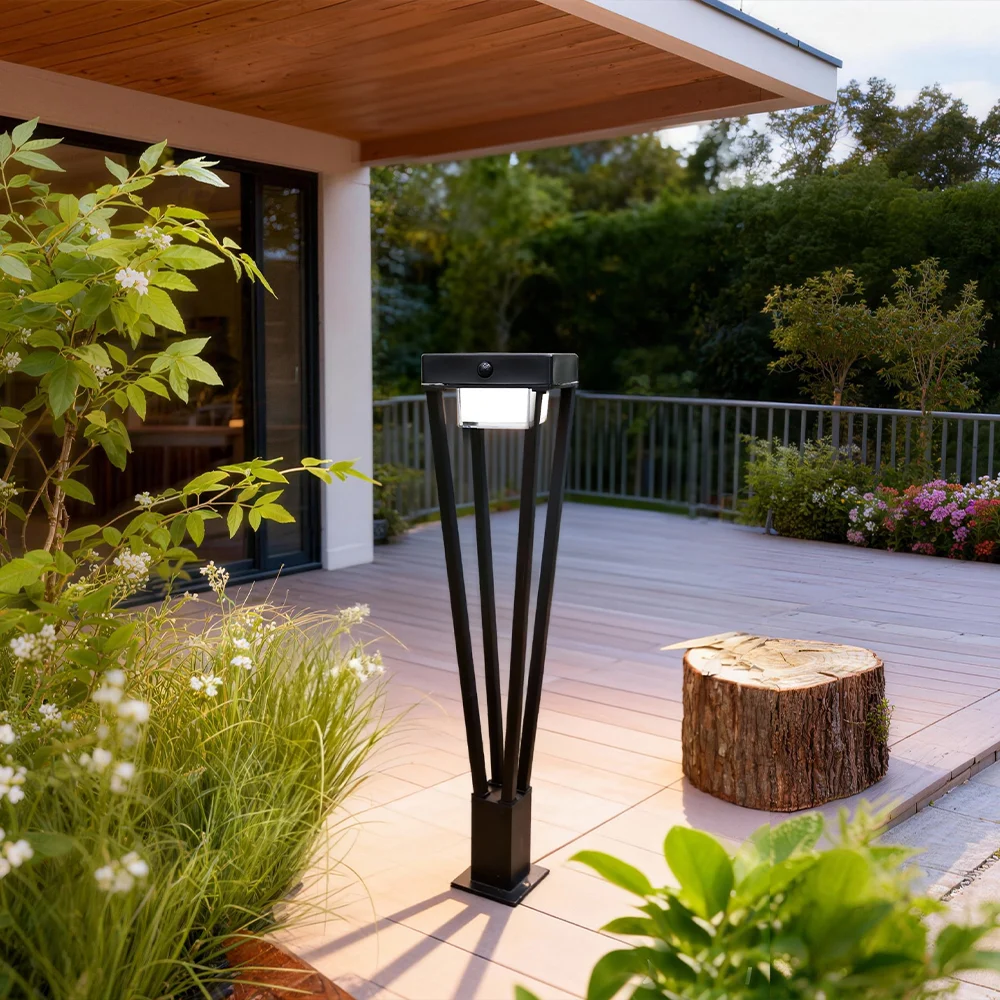
Solar floor lamp
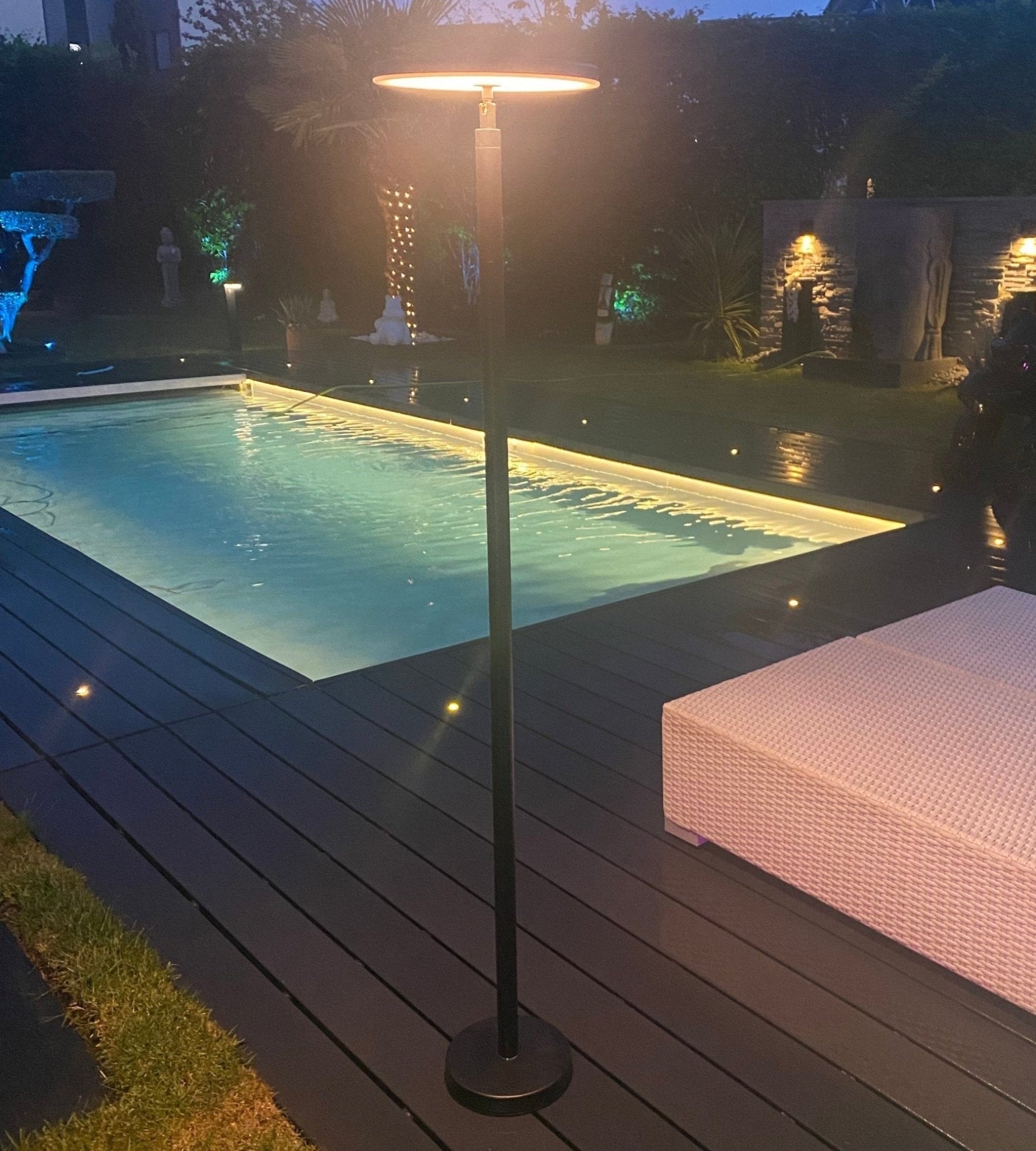
The chic option, and often the favorite one. High, elegant, autonomous, it replaces classic lighting while valuing your space. Some models Lumihome climb up to 1200 lumens with a 10h autonomy. The must to create a village square atmosphere... without consuming a single watt of the network.
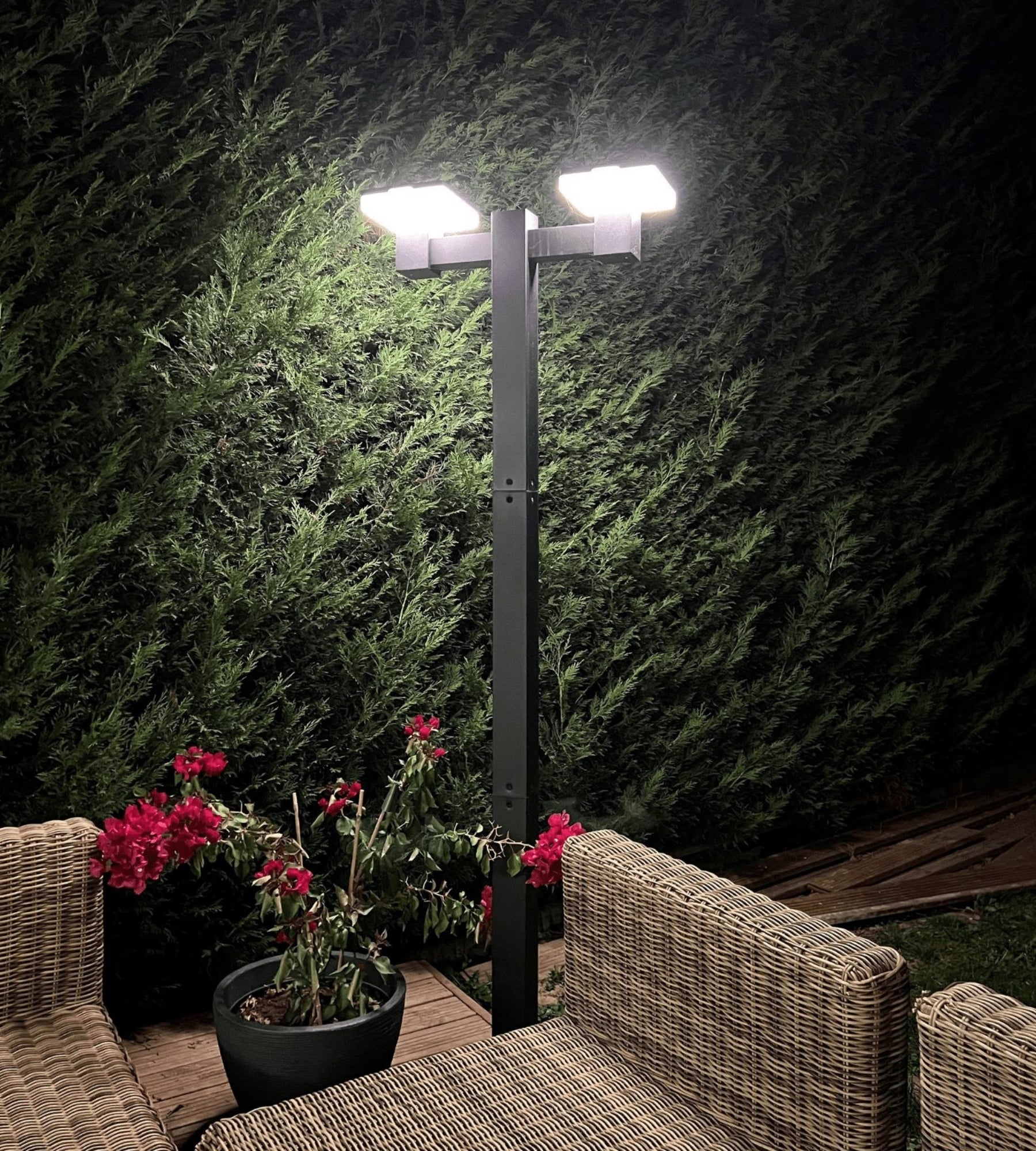
We designed each format to meet a real need, not just to look pretty on a product plug. An applic, it's not a terminal. And a streetlight is not just a big lamp. Ergonomics, autonomy and power are thought out from the design
What technical criteria should be compared?
Choosing a solar lamp is not just a matter of look. Technical characteristics who will determine if you will be delighted... or disappointed after 3 days of graying. Here are the main criteria to know (and compare) before buying:
Light (in lumens) :
It is the measure of the luminous power. 100 lumens, it is perfect for a path. 400, for an entrance. 800 or more, to secure a large courtyard. Attention: some brands inflate the numbers. At Lumihome, we always talk in real lumens (measured as LED output, not on paper).
Autonomy :
A correct lamp must last all night, so at least 8 to 10 hours. This depends on the capacity of the battery (mAh or Wh) but also on the energy management by the onboard electronics. A good product can modulate its power according to the hour, the brightness and the remaining charge.
Load time :
A moderate day of sunshine must be enough to fully charge the battery. Single crystal panels (present on the Lumihome ranges) are more effective than polycrystalline panels, especially in winter.
Colour temperature (kelvin) :
-
2700K to 3000K : warm white, cosy atmosphere
-
4000K to 5000K: neutral white, more natural
-
6000K and more: cold white, more functional (or a little clinical...)
Integrated sensors :
One twilight sensor triggers the lamp at nightfall. motion sensor (PIR) allows you to only turn on when a presence is detected — ideal for extending the range. this solar applicator with detection, combine both.
Lighting angle :
The wider it is, the more light is diffused. For an entrance, a narrow and directed beam is sometimes more efficient than a too wide angle that disperses the light. From 60° to 180°, anything is possible according to the optics used.
Integrated or separate panel :
A separate panel (with cable) allows to place it south even if the lamp is installed in the shade. It is the winning duo for sheltered areas.
Removable or non-removable battery :
And here, it's one of the big differentiators: a sealed battery, it's a disposable lamp. At Lumihome, we chose the opposite. All our solar lamps are designed to be repairableAnd that's good for your wallet... and for the planet.
Solar lighting must not be a gadget. It must be durable, functional, evolutionary. We have designed our lamps as we design a good tool: solid, modifiable, and able to last several seasons without losing efficiency
Our advice for making the right choice
There are technical data... and then there is the field. Here are some concrete scenarios to help you choose without fooling yourself.
Is your garden badly exposed?
Head towards a model with orientable solar panelThis will allow to capture maximum energy even with little direct sun. Some Lumihome solar projectors have a separate panel, perfect for this configuration.
You need light only when someone passes by?
The motion sensor is your ally. It avoids waste and increases autonomy. These solar appliques with detector for example, only light up when it detects a presence, while maintaining a gentle watch.
Looking for a warm atmosphere for summer parties?
Prefer models hot light (2700K to 3000K), with moderate power and diffuse beam. Mix Invertebrates, recessed spots and solar floor lamp allows to create an aesthetic atmosphere, comfortable... and wireless at the same time.
Do you live in a wet or windy area?
Choose a product with good mechanical resistance and a well-waterproof design. At Lumihome, all models are designed to withstand weather hazards. For example, our floor lamps are designed to withstand heavy wind gusts and the waterproofness of our solar lamps is reinforced.
Do you like it going on?
Run away from disposable products. Choose a model with replaceable battery, quality components, and responsive customer service. It is not intended for the "seasonal" lamp, but for the one that accompanies you for several years.
的Our customers don't just want a lamp. They want a reliable, simple to install solution that really works. And most importantly, they want to be told clearly what to expect. That's exactly what we do with Lumihome.
Which solar lamp for which area of the garden?
Not all solar lamps are worth it, and above all, they don't have the same role.Balance, atmosphere or safety: every area of your exterior deserves a suitable solution. Here is a practical guide to avoid getting wrong.
| Garden area |
Recommended type |
Lumens |
Useful functions |
| Alley/path |
Solar marking to be stinged |
100 to 200 |
Twilight detector |
| Entry / portal |
Wall solar application |
300 to 500 |
Motion detector |
| Terrace/balcony |
Orientable solar spot or projector |
400-600 |
Remote control, fixed mode or detector |
| Decorative massages |
Recessed or solar lanterns |
50 to 150 |
Warm temperature, decorative design |
| Garage / carport |
Powerful solar projector |
800+ |
Motion detector + long range |
Roadway or way: secure the passage without dazzling
To light up a path, a garden alley or the surroundings of a swimming pool, you need not opt for projectors too powerful. Ideal for sun beacons to be pricked in the ground, spaced every 1.5 to 2 meters for a harmonious rendering. An intensity of 100 to 200 lumens is sufficient, with soft lighting, of warm white type (2700K to 3000K). An economic model like the Orion solar terminal is ideal.
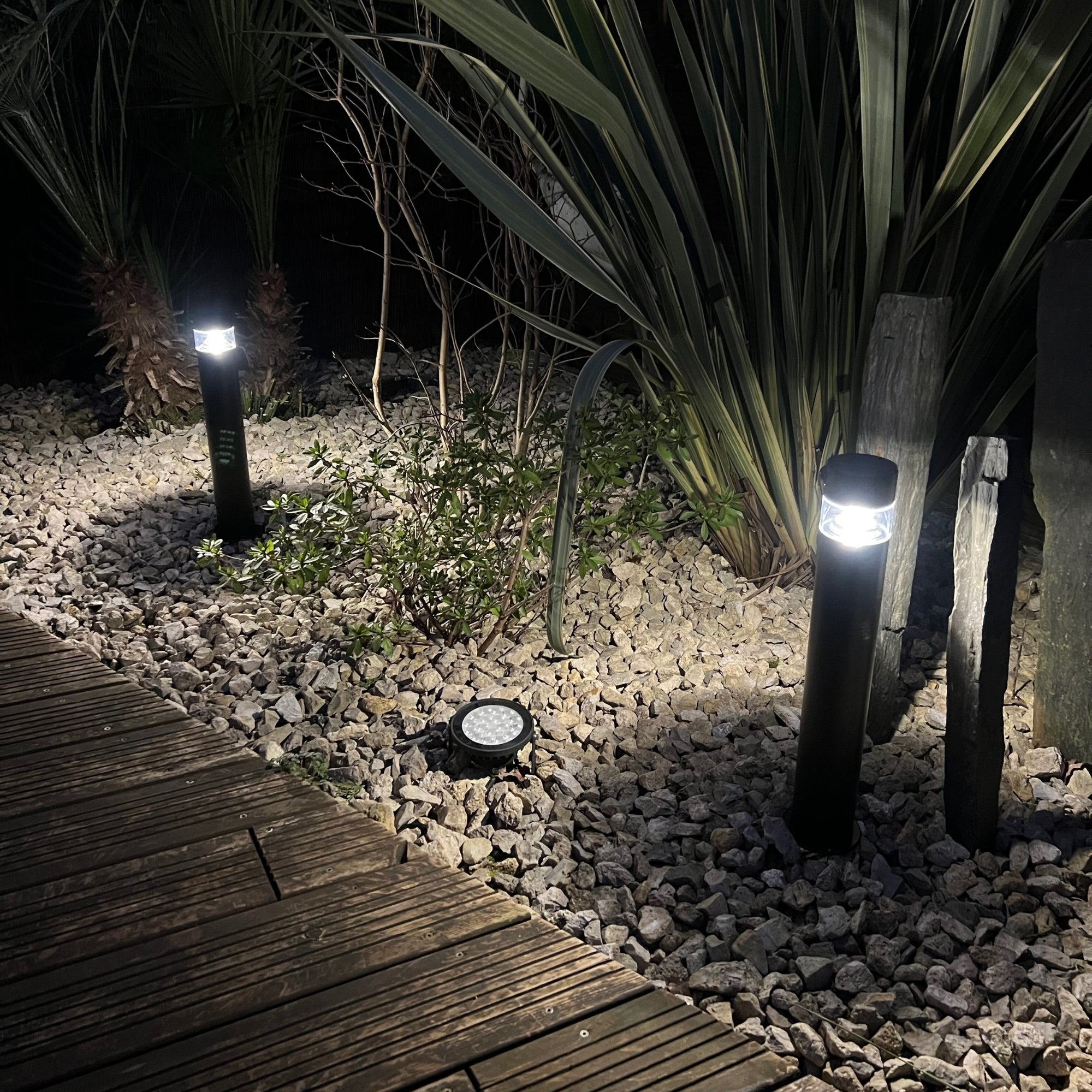
Prefer models with twilight detector for automatic ignition at nightfall.
Consider choosing products with a good height (minimum 40 cm) so that the light is not masked by vegetation.
Entrance, gate, gate: opt for security
For your entrance or portal, you need stronger lighting, with motion detection. Wall-mounted solar appliques are ideal They can easily install without cable, while providing 300 to 500 lumens.
Some versions allow you to choose between several modes: low permanent lighting + boost to detection, or lighting only when passing. At Lumihome, most of our models are equipped with a multimode system that allows you to adapt the ignition mode according to your needs.
Pro tip: If your area is not exposed to the sun, choose a model with a remote solar panel. This allows you to capture the light more effectively.
Terrace or balcony: create a friendly atmosphere
On a terrace you can combine functionality and aesthetics. Lighting must be powerful enough to enjoy summer evenings, but without being aggressive. A walled solar applicator between 400 and 600 lumens is perfect.
Avoid direct lighting to the eyes: direct it to the ground or to a wall for a diffuse and elegant effect.
Massages, pots or decoration: soft light, wahou effect
To enhance your plantations, statues or designer pots, bet on embedded spots, Solar lanterns or small mood projectors.
Here, the goal is not to see, but to highlight. Power between 50 and 150 lumens is enough, with a warm color temperature (2700 to 3000K). Design counts as much as light.
Some models allow you to change color (RGB), perfect for creating a festive atmosphere during a dinner with friends.
Garage, carport, passage area: power and autonomy
For a passage area such as a carport, a garage alley or access to the house, it takes power and reliability. A solar projector of 800 lumens or more, with motion detection, imposes here.
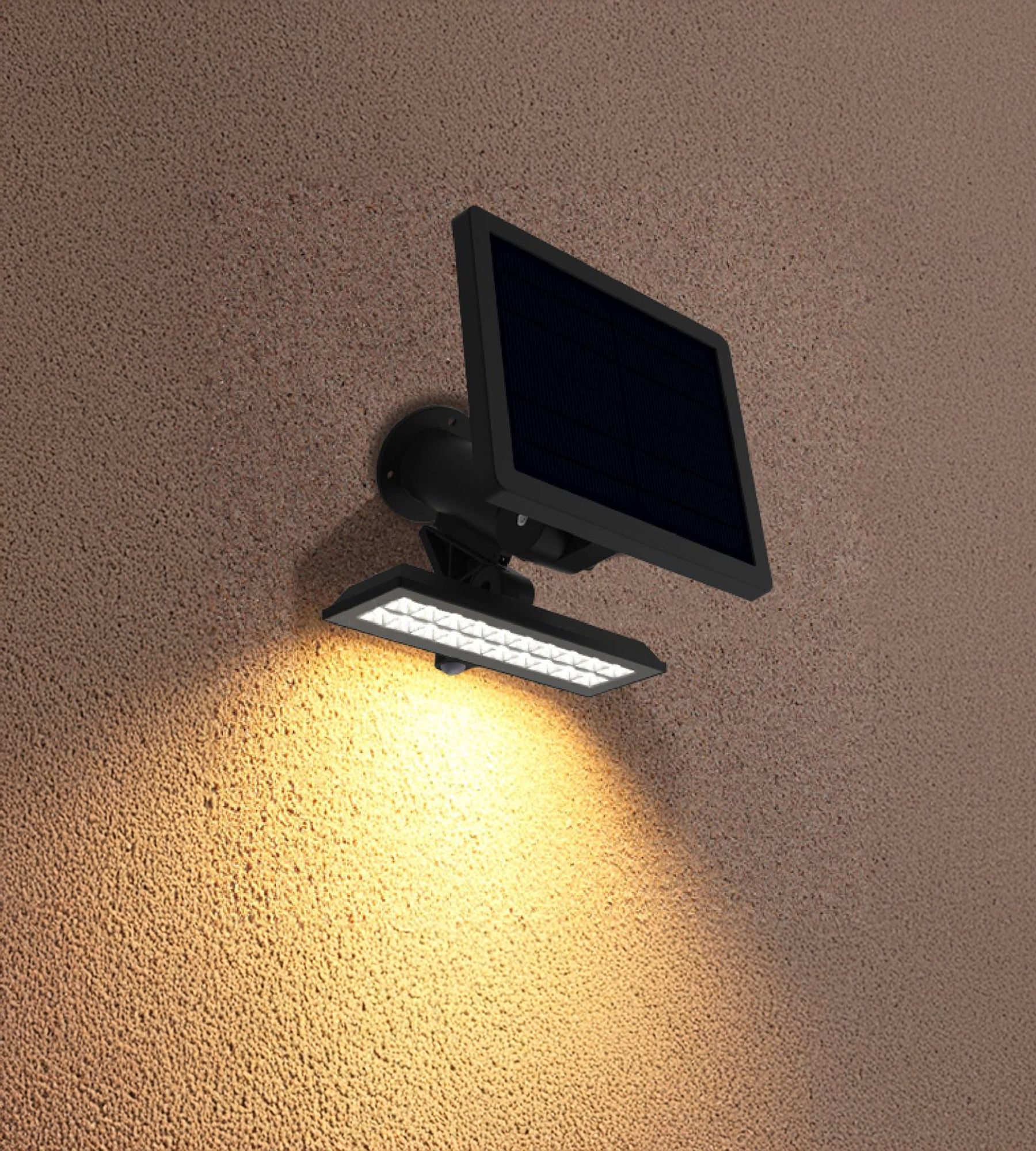
Be careful about the range: choose a model with a generous battery and a monocrystalline panel if possible, to efficiently capture energy even in winter.
Consider checking the sensor detection range: some detect at 3 meters, others up to 8 or 10 meters.
What trends in 2026 for outdoor solar lighting?
The solar lighting market is changing rapidly. In 2026, there was a rise in product range, driven by technological innovation, demand for more sustainable solutions and changing uses.. Here are the main trends to be monitored.
More powerful and smarter solar lighting
The new models now compete with conventional wired luminaires. In 2026, the majority of high-quality solar projectors and appliqués offer real power from 500 to 1000 lumens, with high-capacity lithium-ion batteries. For example, at Lumihome, the company has a wide range of lighting and lighting options. we propose an evolution on a selection of solar appliqués that go from 600 to 1000 lumens.
But the real evolution is integrated intelligence: twilight sensors, long-range motion sensors, multi-functional remote controls, and even connected models that can be piloted via a mobile application.
More architectural and discreet designs
No more white plastic visible from the street. The trend is towards more noble materials (aluminium, brushed stainless steel, matt black finish) and clean lines that naturally integrate into contemporary landscape developments.
The shapes are more geometric, the attachments invisible, and the lens is clear: make solar lighting a fully-fledged element of the exterior design, not a makeshift solution.
An increasingly important eco-responsible dimension
Users are now looking for products that last, resulting in the appearance of lamps with replaceable parts (including batteries), improved repairability, and recycled or recyclable materials.
Some brands also begin to communicate on the carbon footprint of their products, on the origin of the components or on the luminaire life cycle.
Facilitated integration into development projects
In 2026, solar lighting is no longer a purchase of supplement, but a real choice of layout. It integrates from the design of gardens, terraces and alleys. Some models are designed to be embedded in pool margins, integrated into pergolas or outdoor furniture.
What to remember
The outdoor solar lighting has nothing to do with what it was ten years ago. It's a serious technical solution, reliable, economical for use and totally autonomous. But like any equipment, you have to choose knowingly.
Good solar lighting, it's a fair balance between:
And above all, it's a product. repairable, thought to last.
At Lumihome, we don't sell promises. We sell tested, tested, and designed lamps for use in the adapt to your real needsNot the marketing ones.
And if you have any doubts, call us. We like to talk lithium battery, PIR sensor and color temperature. Yes, really.
 DELIVERY €11, FREE FROM €150 OF PURCHASES IN FRANCE