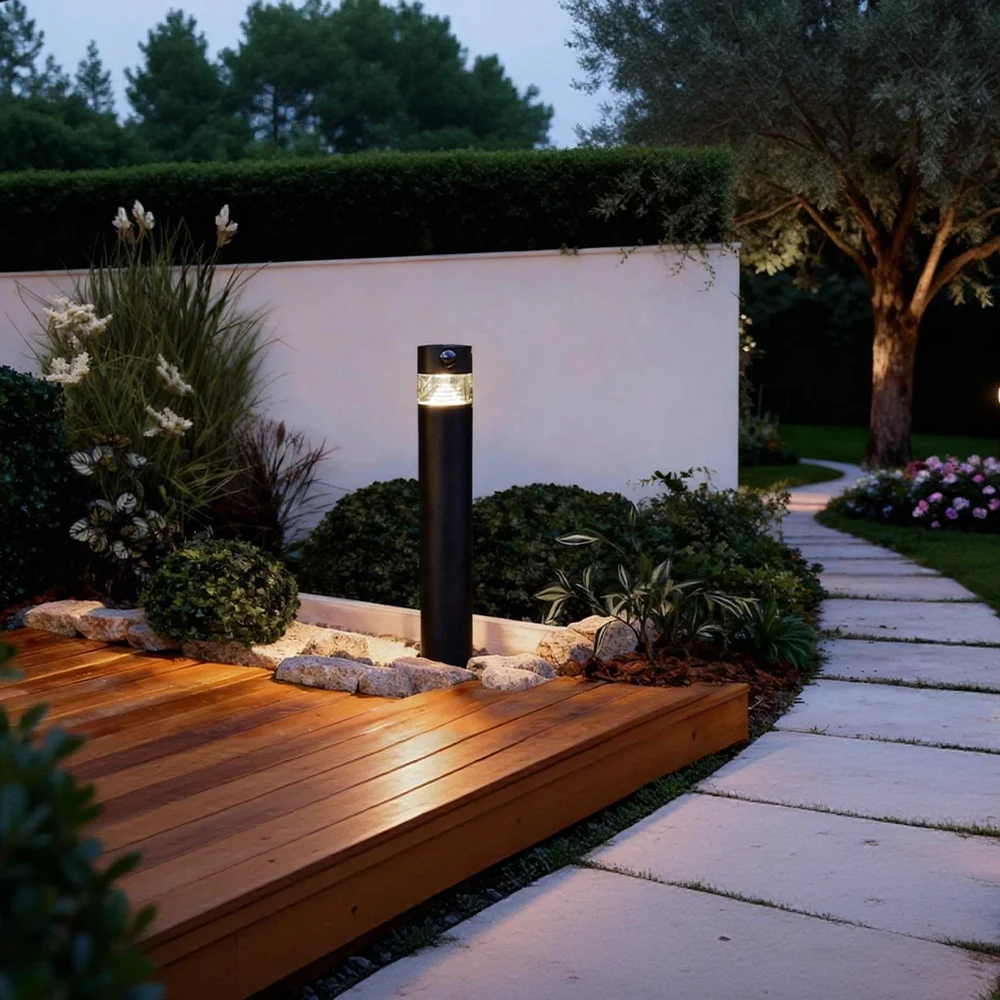
Potelet ? Borne ? For many, it is the same to the same. A low luminaire, made of metal or aluminium, which is planted in the garden and which lights up at night. And yet... these two solutions do not have the same silhouette, nor the same function, nor the same visual effect.
So to avoid the lighting error (which turns a beautiful aisle into a landing track or a terrace into a poorly marked wasteland), here is a simple and clear guide. Objective: To help you make the right choice for your project.
The main difference: everything is in the height (and rendering)
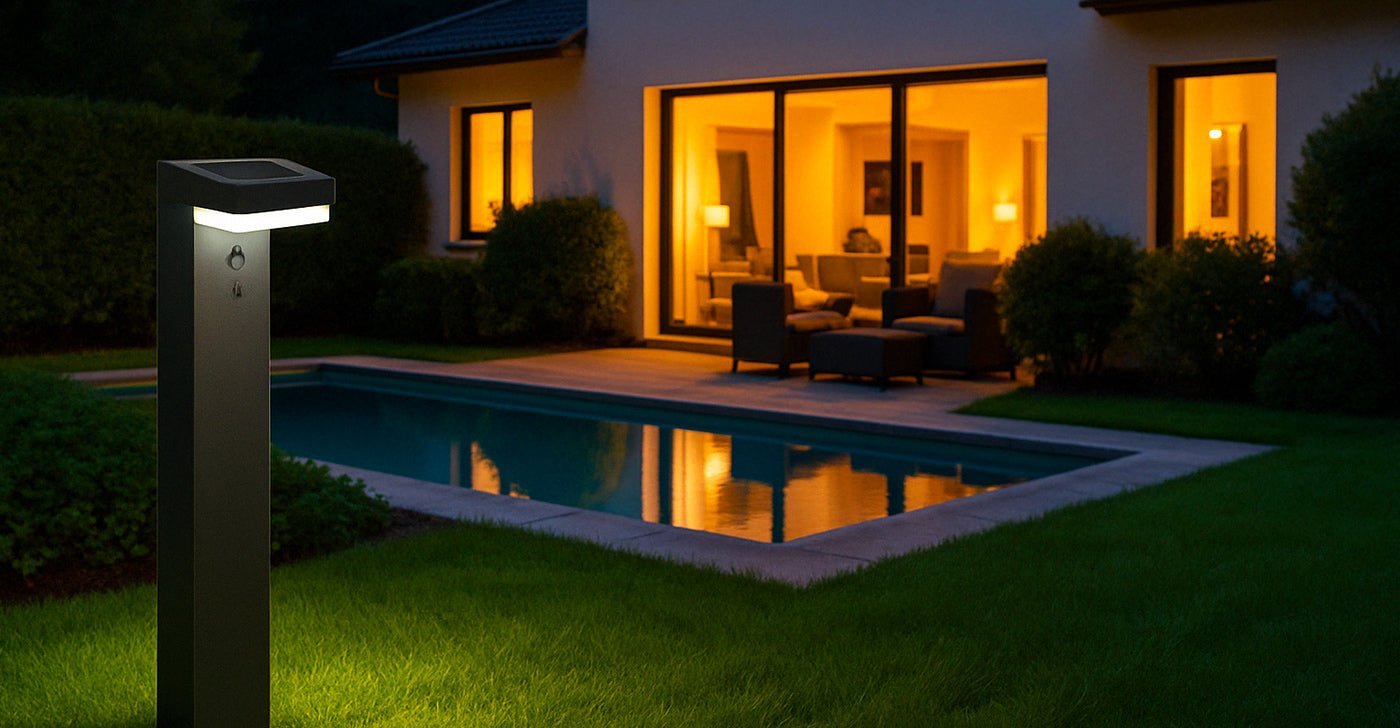
The external light source It is rather discreet. It measures between 30 and 60 cm high and diffuses a soft light, often directed towards the ground. It is not noticed... until it lights up. Its role ? To mark, guide, create a felted atmosphere.
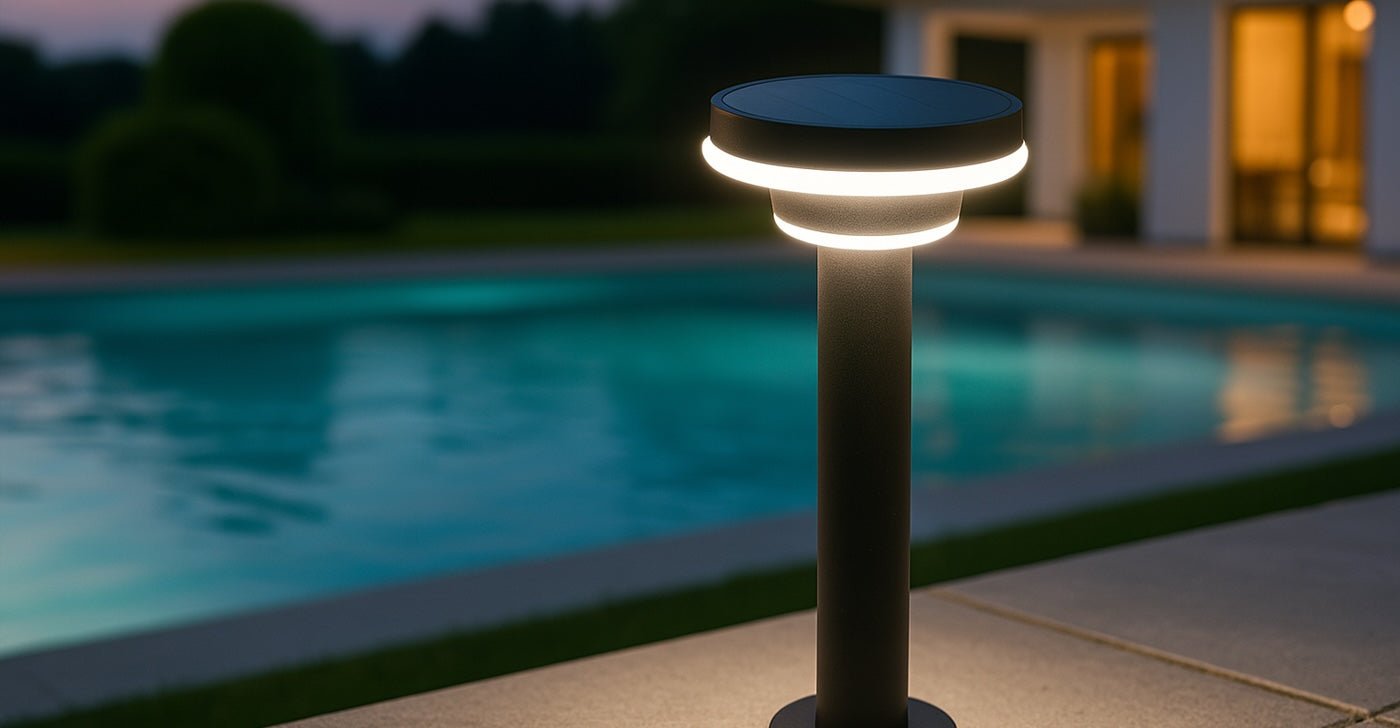
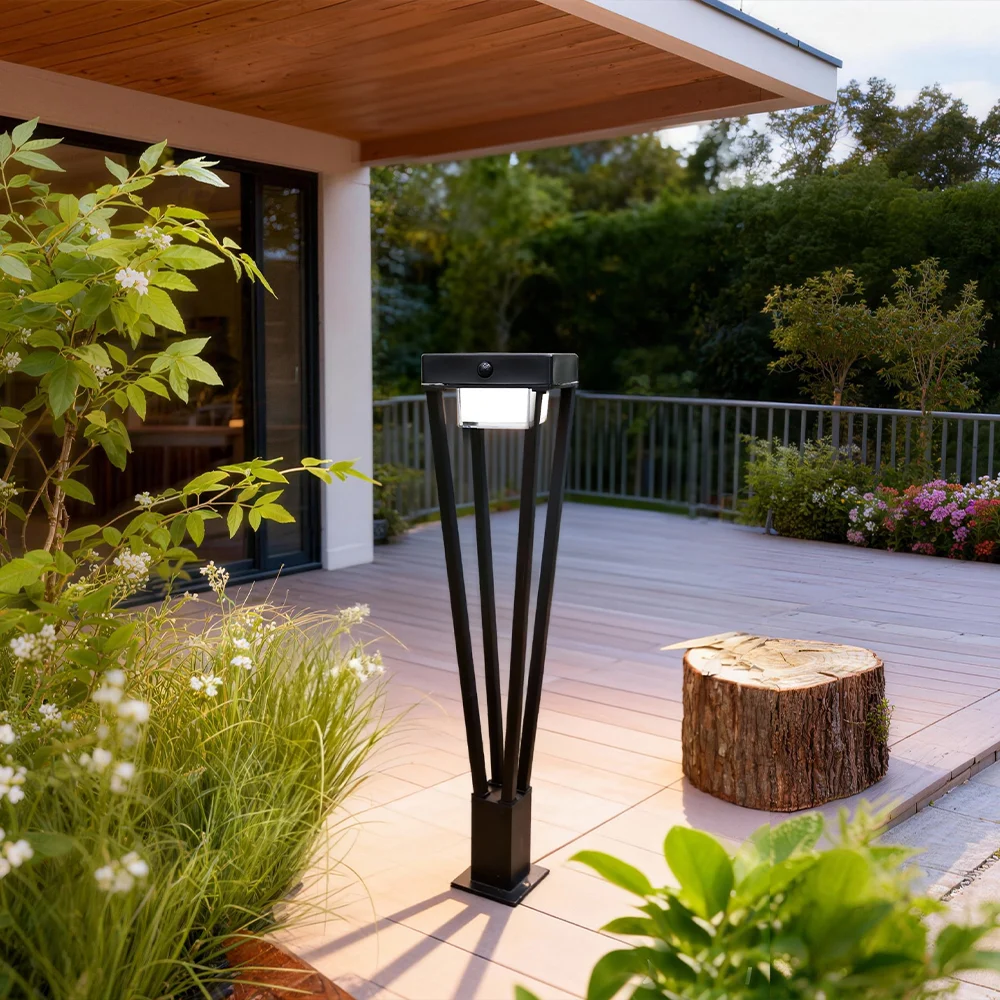
The pole has a more assertive presence. With its 70 to 120 cm height, it becomes a real element of landscape architecture. It illuminates more widely, sometimes even at 360°, and structure the volumes. A bit like a pocket lamp – elegant, of course.
"The potlet becomes an element of decoration in its own right. The pillar works in silence."
— Christophe Coelho, founder of Lumihome
Recommended use for each model
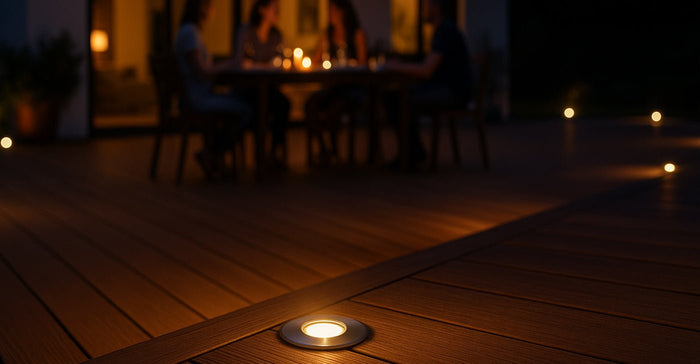
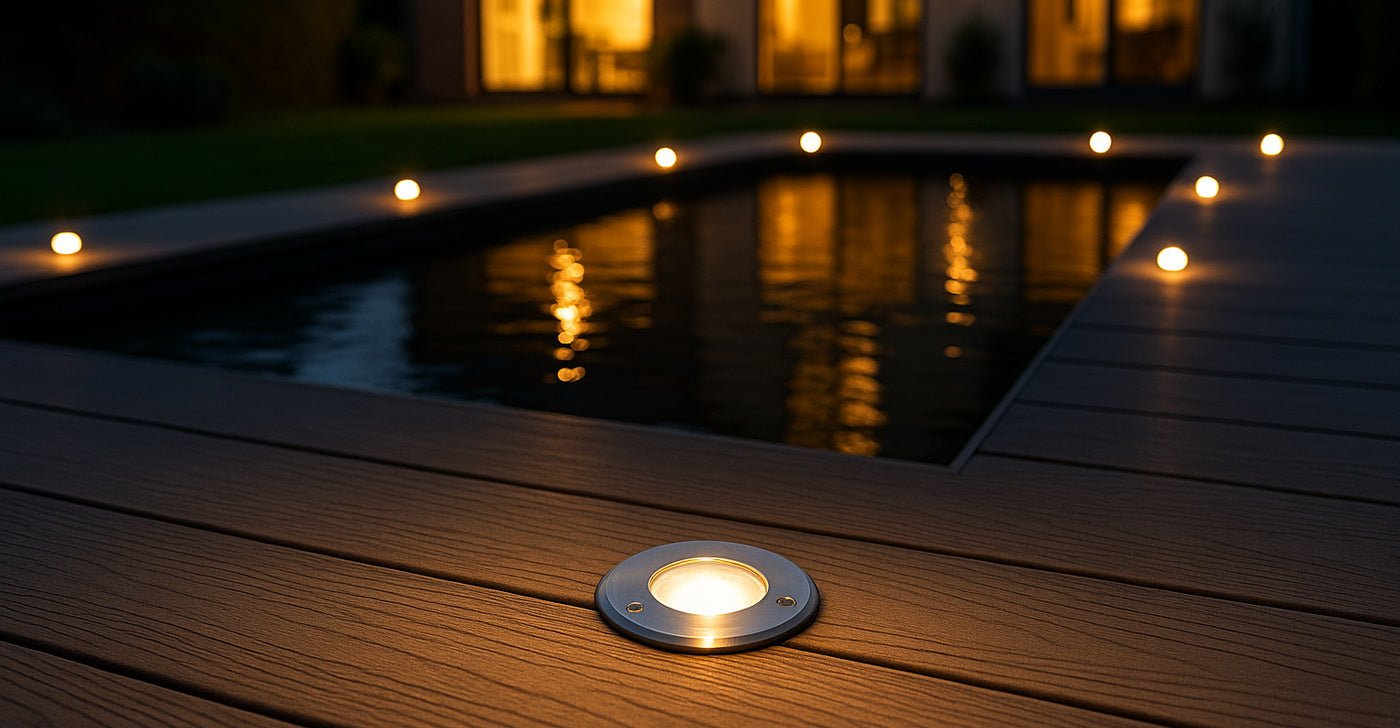
The terminal fits perfectly with the aisles, the edges of the massifs, the outside stairs, slips into the environment and creates a subtle markup. You can see where it works, without being dazzled.
The outside chub, for its part, is better suited to large alleyways, garage entrances, swimming pool approaches or outdoor living areas. It attracts the eye, brings a real verticality and participates in the general atmosphere of the garden.
If you are looking for an architectural effect or a landmark, choose a post. If you just want to accompany the look on the ground, bet on well spaced terminals.
And what does it change in solar version?
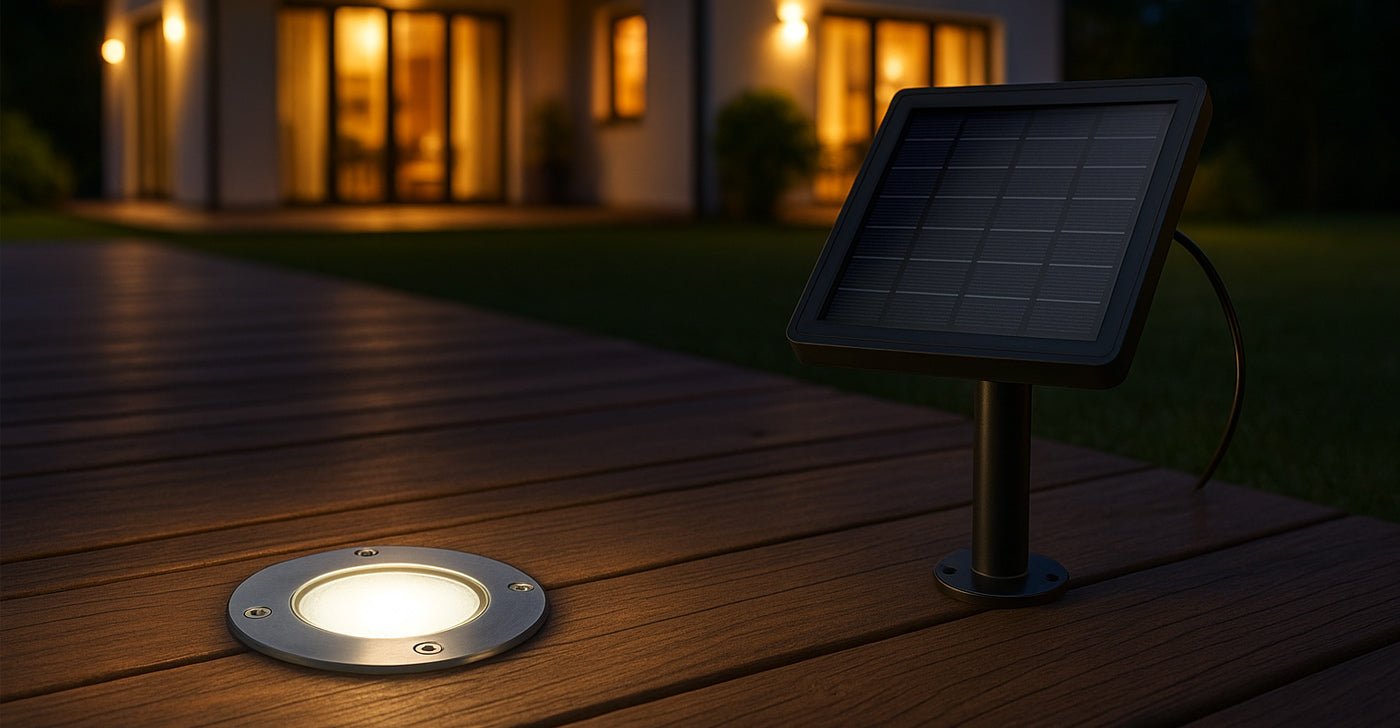
The solar terminals are often more compact, sometimes with a picket for an express installation, and they offer perfect lighting, provided they are well exposed.
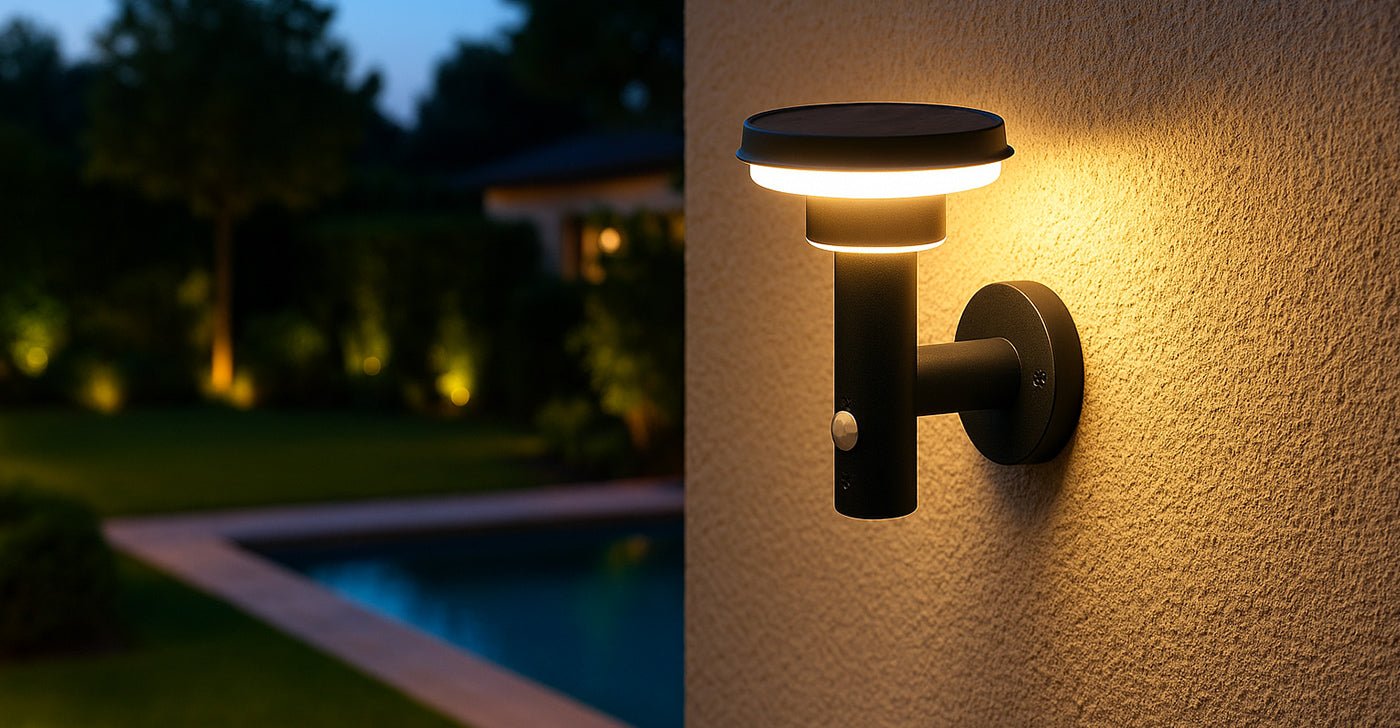
The newer solar poles now allow for much wider uses. At Lumihome, thanks to high-power LEDs, twilight sensors and integrated motion sensors, our models compete with certain wired models. Without cable, without trenches, without constraints.
Discover our range outdoor solar terminal and Solar pole to make the full autonomy... and style.
Design, materials, finishing: think about the entire project
The terminal is often chosen for its discretion. It must fit in, stay back, accompany the decor without dominateing it. Thermolacquered aluminium or brushed l-inox are the most common and resistant finishes.
The post becomes a visible object, sometimes even decorative. One can afford a textured finish, a bolder shape, an original diffuser. At Lumihome, every detail is designed to fit into an elegant and durable set.
"A good outdoor light is like a frame: it highlights without stealing the star."
The right reflex: mix the two according to the areas
Why choose between the two? By combining poles and terminals, you create dynamic, legible and aesthetic lighting. A doorpost at the entrance, terminals along the way, and you get a harmonious path, from the gate to the terrace.
It is also a way to play with volumes, heights, and subtly guide the look.
How to properly install your terminal or pot
The installation depends primarily on the type of luminaire chosen: solar, 12V or 230V. In any case, one thing remains essential: stability. A poorly fixed terminal, it is a bench light at the first rain. A well anchored potlet, and it is all the aesthetics of the garden that is vagrant.
For a durable installation, it is better to opt for a concrete base (about 25 x 25 x 25 cm) especially for wired or high-height models. The solar terminals, lighter, can often be satisfied with a pole if the ground is stable. Make sure to steer the light beam, regularly space the light points (2 to 4 meters depending on the power), and properly bury the cables if necessary.
Connections must always be protected by waterproof connectors (IP68). In the case of 230V power supply, cut the current and comply with the current standards (NF C 15-100).
Want a full step-by-step, including tools? Go to our dedicated article: How to properly install a garden light terminal
To be remembered: each project deserves its light
Good lighting is the one that adapts to your use, style and terrain. Not too much, not too little. Neither dazzling, nor insufficient. Understanding the difference between a pole and a terminal, you make a coherent, durable and elegant choice.
And with the Lumihome collections, you won't have to choose between technique and aesthetics: both are already integrated.
 DELIVERY €11, FREE FROM €150 OF PURCHASES IN FRANCE